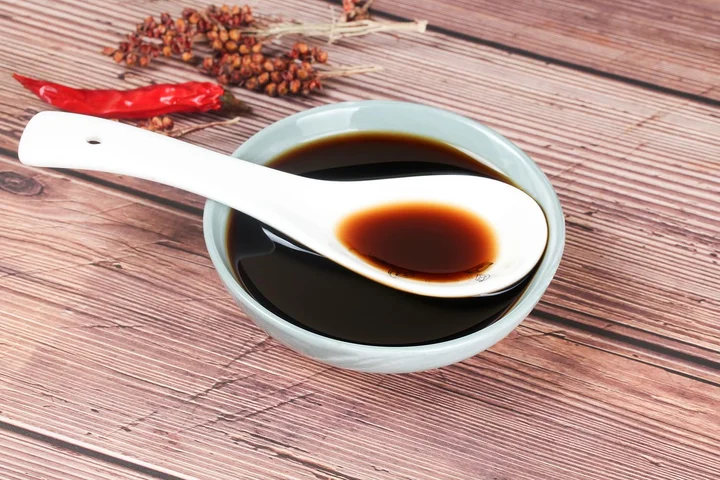
Start with a little Chinkiang vinegar and taste it with the food you plan to serve. That simple habit makes the bottle much easier to use. A sauce that seems sharp on a spoon may be just right against a rich dumpling filling. A splash that disappears into a large bowl of noodles may need a second small addition. The dish gives you a better answer than tasting vinegar by itself.
Our starting point is the Gold Plum 18.6 fl oz bottle. It is a dark Chinese rice vinegar, with a tangy, savory character that works in dipping sauces, noodle dressings and cooked dishes. The label includes wheat bran, so it is not a gluten-free ingredient. Below, you will find small-batch combinations and a practical way to adjust them. Treat the quantities as starting points for your own cooking, not a requirement to use every ingredient.
Get to know the flavor
Pour half a teaspoon into a small dish. Notice the dark color and the aroma, then taste a drop with a bite of plain rice or an unseasoned piece of cucumber. You are looking for the way its acidity changes that bite: a little more brightness, a savory finish and a clear contrast to bland or rich food. You do not need a formal tasting vocabulary to decide whether you want more.
Next, dilute another half teaspoon with the same amount of water. This lets you compare the full-strength vinegar with a gentler version. Water is useful when you want a lighter dipping sauce without adding more soy sauce or sugar. It reduces the intensity of every ingredient, so add it a teaspoon at a time and taste again with the food.
The words Chinkiang and Zhenjiang refer to the same place name in different romanizations. In recipes, you may see Chinkiang vinegar, Zhenjiang vinegar or Chinese black vinegar. The last term covers more than one regional style. If a recipe specifies Chinkiang, choosing a bottle with that name is more dependable than assuming every dark vinegar will taste the same.
Gold Plum is the brand name. It does not mean that this bottle is a plum-fruit vinegar. The label on the pictured bottle lists water, glutinous rice, wheat bran, sugar and salt. If you are buying for someone with a dietary restriction, read the actual bottle label before cooking. The name of the brand is not an ingredient statement, and the presence of rice does not make a product gluten-free.
Build your dumpling dip
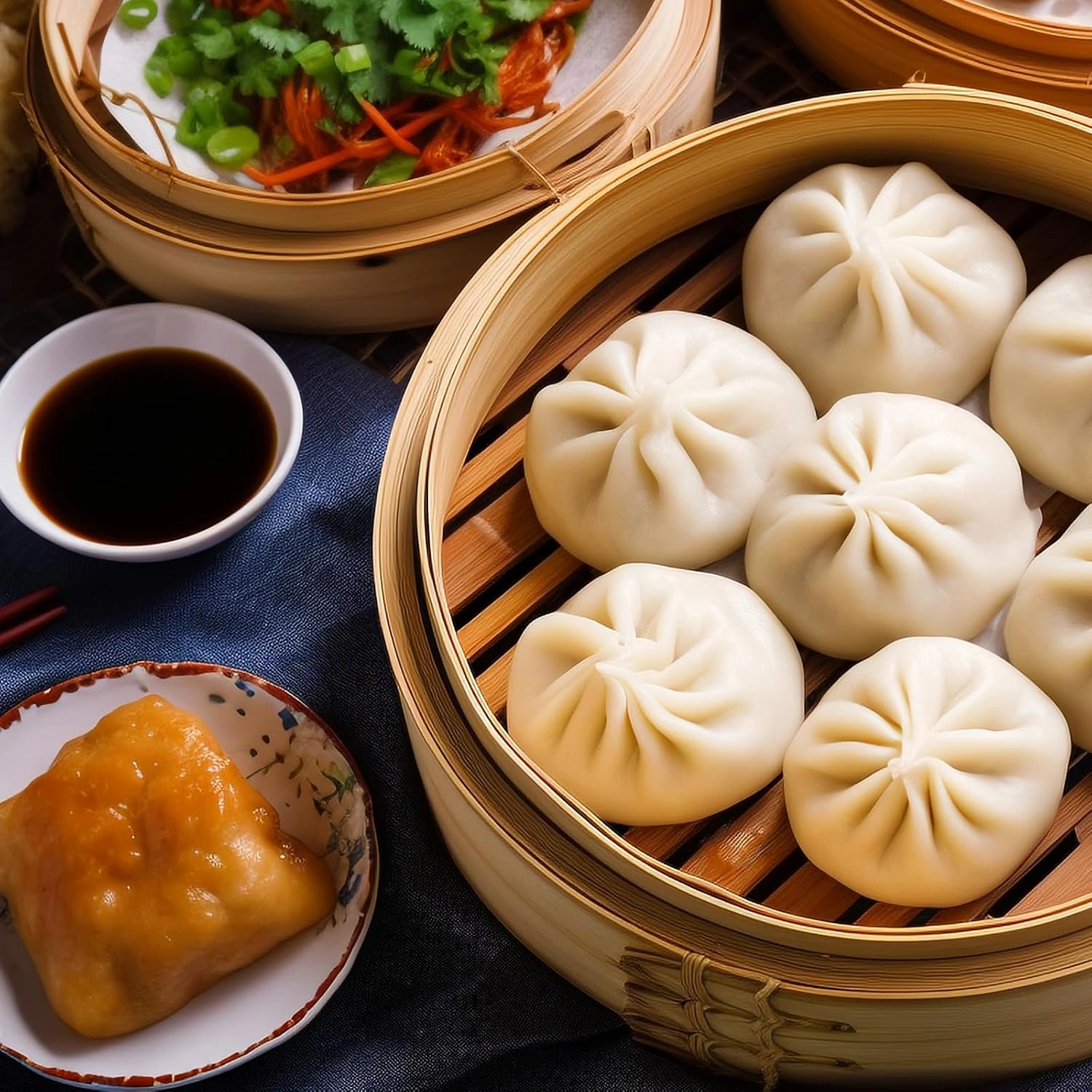
For a small dipping dish, combine 2 teaspoons of Chinkiang vinegar with 1 teaspoon of light soy sauce. Add a few thin slivers of fresh ginger if you enjoy its bite. Taste the mixture with one cooked dumpling before filling everyone’s dipping bowls. This gives you a useful base without committing a large amount of sauce.
A starting ratio: 2 parts vinegar to 1 part light soy sauce. Add ginger to taste. For a gentler dip, stir in a little water. For a more vinegar-forward bowl, add another half teaspoon of vinegar after tasting.
Dumpling fillings vary. A pork filling with plenty of seasoning may need very little soy sauce. A mild vegetable filling can suit a lighter dip that does not hide the vegetables. Pan-fried dumplings also bring toasted edges and a little oil, which change the way the same sauce tastes. Adjust for the dumpling in front of you rather than assuming one mixture fits every meal.
If you want chili heat, start with a small spoonful of chili oil in a separate dipping dish. Some chili condiments already contain salt, sugar, sesame or soy ingredients. Check their labels and add less soy sauce until you have tasted the combination. Keeping the chili on the side lets different people at the table choose their own level of heat.
Fresh garlic is another option, but it can quickly dominate a small bowl. Begin with a little finely minced garlic, stir and allow it a short rest while the dumplings finish cooking. Try the dip again before adding more. Ginger, garlic and chili each bring a different flavor; you do not need all three for a satisfying sauce.
For soup dumplings, try a simpler bowl of vinegar and fine ginger slivers first. The broth and filling already carry flavor, so a heavily seasoned dip can become distracting. Follow the dumpling’s cooking and serving instructions, and give hot filling time to cool enough to eat comfortably. The vinegar is a seasoning, not a way to cool the center of a dumpling.
Dress noodles in stages
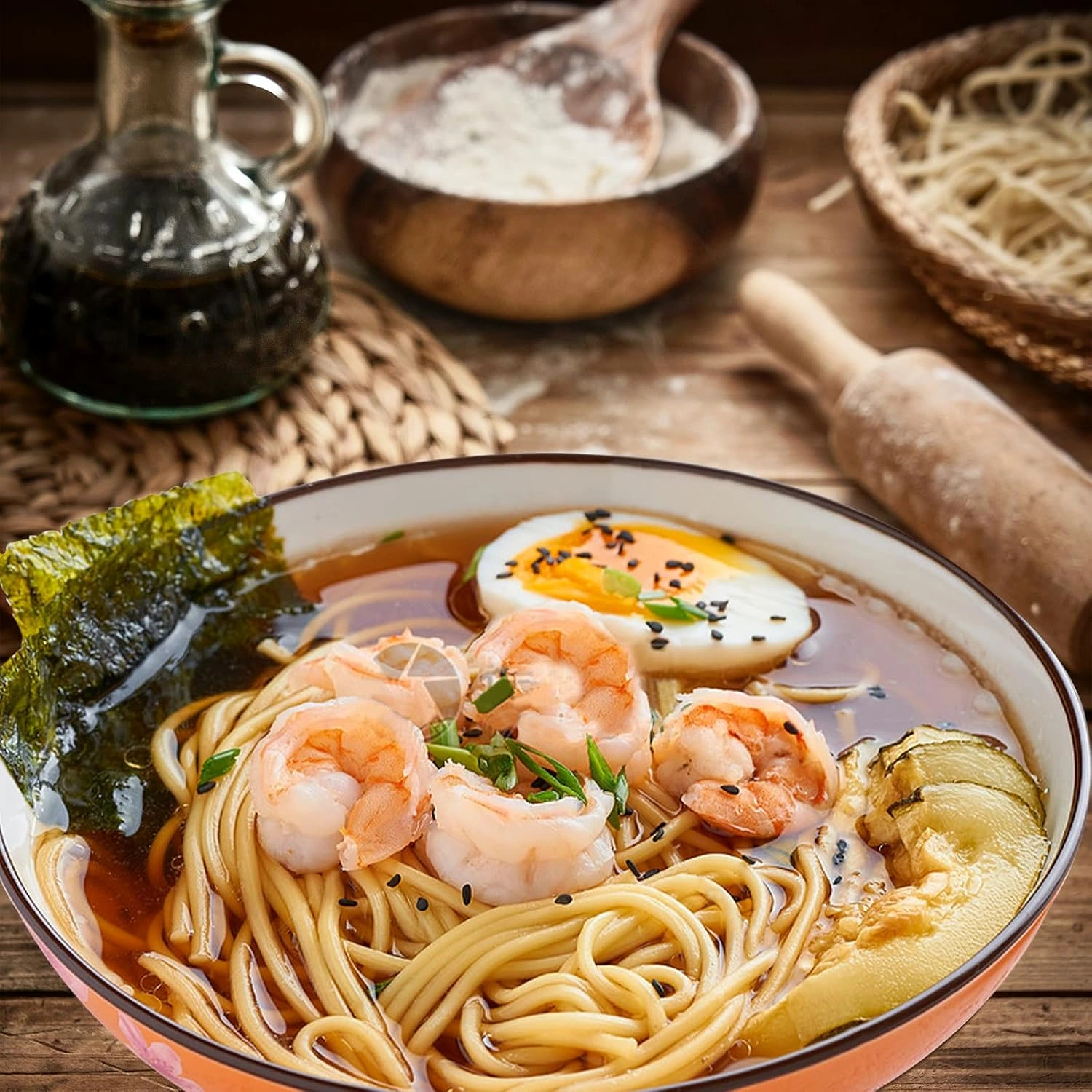
For one serving of cooked noodles, start with 1 teaspoon of Chinkiang vinegar, 1 teaspoon of light soy sauce and a small splash of noodle cooking water. Toss thoroughly before tasting. This is deliberately a small amount of dressing: noodle size, portion weight and the rest of your toppings will determine how much more you need.
Add a few drops of toasted sesame oil if you want its aroma. A little goes a long way, especially in a bowl that also contains sesame paste or a sesame-based topping. If the noodles feel dry, add more cooking water first. Adding extra soy sauce to solve dryness also adds salt, and adding extra vinegar changes the whole balance of the dish.
A thicker sesame dressing takes a different approach. Loosen a spoonful of sesame paste with warm water until it is smooth, then add the vinegar and soy sauce gradually. It may tighten at first as the liquid meets the paste; keep stirring and adding small splashes of water. Stop when the dressing coats the noodles easily instead of sitting in a heavy lump.
For cold noodles, drain well and check for water trapped in the bowl before dressing. Extra water can dilute the sauce unpredictably. Toss, lift a few noodles and taste. A cucumber topping adds freshness and may release more moisture as it sits, so do your final adjustment close to serving rather than seasoning the bowl heavily in advance.
Keep toppings simple while you learn the sauce. Sliced scallions, cucumber, cooked mushrooms or a cooked protein each work as part of a bowl, but they also affect seasoning. If a topping is already salty, reduce the soy sauce in the noodles. If chili oil is the main flavor, use the vinegar to give it a little lift without turning the bowl sharply sour.
Record a successful combination in your own measurements. “One teaspoon for this bowl of noodles” is more useful next time than remembering that you added a splash. Once you know the result you like, you can be more relaxed about measuring. At the beginning, small measured additions make it easier to repeat dinner.
Give vegetables a sharper finish
For a small cucumber side, combine 1 teaspoon of vinegar with 1 teaspoon of light soy sauce and a few drops of toasted sesame oil. Toss with a bowl of sliced cucumber, then taste a piece. Add a little more vinegar if you want a brighter result. You can leave out the sesame oil if you prefer a cleaner, lighter finish.
Cucumbers release water after they are dressed. Serve soon after tossing when you want a crisp side with a concentrated dressing. If the bowl has been sitting, stir it before tasting again. Do not judge the sauce only from the liquid at the bottom; taste it with a piece of cucumber to see how much flavor is reaching the food.
Cooked greens need a different touch. Start by cooking them as you normally would, then add a small amount of vinegar near the end or at the table. A teaspoon can be a useful first addition to a small serving bowl, but the amount of greens matters. Toss well so one forkful is not much sharper than another.
Roasted mushrooms and browned vegetables can also take a small vinegar finish. Mix the vinegar with a little cooking juice or oil already in the pan before tossing it through. The goal is an even coating. If the dish already has lemon juice, a tangy sauce or pickled ingredients, taste first; it may not need another acidic ingredient.
When preparing a mixed salad, put the dressing in a separate bowl before adding it to the leaves. You can adjust a small dressing more easily than a fully dressed salad. Add part of it, toss, taste a leaf and add more only if needed. This also keeps a delicate salad from becoming wet and heavy.
Add it to warm dishes thoughtfully
Vinegar added during cooking does not always taste the same as vinegar added just before serving. Time, heat, the quantity of sauce and the other ingredients all change the result. Follow a recipe’s timing when you are making a dish for the first time. Once you know that dish, compare a small finishing addition with the flavor already in the pan.
In soup, season your own bowl first if you are unsure. Stir in half a teaspoon, taste a spoonful with the broth’s vegetables or noodles, then decide whether to add more. This keeps the whole pot available for people who prefer a different balance. A dark vinegar will also change the color of a light broth, which is worth considering when presentation matters.
For a stir-fry, measure a small amount into the sauce mixture before you start cooking. Stir-frying moves quickly, and pausing to pour from a large bottle makes it harder to control the quantity. Keep the prepared sauce within reach, add it at the point your recipe specifies, and stir so it reaches the food evenly.
Sweet-and-sour dishes require a balance across several ingredients. Vinegar supplies acidity, while sugar or another sweet ingredient supplies sweetness; soy sauce and other seasonings contribute salt. Change one of these at a time. Adding large amounts of sugar immediately after too much vinegar can leave you with an overly sweet dish that still tastes too sharp.
For braises, use an established recipe for the meat, vegetables and cooking time. Add vinegar according to that recipe rather than treating it as a substitute for sufficient cooking. Taste the finished sauce before reducing it further: reduction concentrates seasoning, so a sauce that tastes balanced in a large quantity may become much stronger as liquid evaporates.
Adjust one thing at a time
When a sauce needs work, name the problem before reaching for another bottle. “Too sharp,” “too salty,” “too strong” and “too thick” describe different problems. Each points to a different adjustment. You will waste fewer ingredients by fixing the specific issue rather than adding a little of everything.
| What you notice | What to try |
|---|---|
| Too sharp | Add a little water or more of the unsalted base, then taste with food. |
| Too salty | Dilute with water or increase the unsalted portion. More vinegar does not remove salt. |
| Too thick | Stir in small splashes of water until the sauce coats food evenly. |
| Needs brightness | Add a small measured amount of vinegar, stir well and taste again. |
| Too much dressing | Use only part of the mixture or increase the food portion if practical. |
Sweetness can soften the impression of acidity, but it is not always the right answer. First try the sauce with the food. If the whole bite is still too sharp, dilute a small portion of sauce and compare. Add sugar only when sweetness suits the dish, and dissolve it thoroughly so you can judge the actual result.
If the sauce is already on the food, your options are more limited. For noodles, adding another portion of plain cooked noodles may help if the bowl is heavily dressed. For a small cucumber salad, you may be able to add more cucumber. Choose a practical adjustment for the amount of food you have rather than making several increasingly complicated corrections.
Use a clean spoon each time you taste a shared batch, and separate a small sample if you want to experiment. That makes side-by-side comparison easy. Put the original sample in one dish and your adjusted version in another, then taste both with the same food. A direct comparison is often clearer than trying to remember the previous flavor.
Know what a substitution changes
Chinkiang vinegar, pale rice vinegar, distilled white vinegar and balsamic vinegar each bring different flavor and color. They can all contribute acidity, but that does not make them interchangeable in every recipe. If you substitute, you are making an adaptation. Begin with less, taste and accept that the finished dish may differ from the recipe’s original intent.
A pale, unseasoned rice vinegar keeps a dressing lighter in color and has a different aroma. Seasoned rice vinegar may include added sugar and salt, which changes how you should use the other seasonings. Read the label rather than judging only by the word rice. In a small dip, a change in the vinegar can be especially noticeable because there are so few ingredients.
Balsamic vinegar can be sweeter or thicker, depending on the bottle, and its grape-based flavor is different. It may suit an improvised dressing, but it will not reproduce the same dumpling dip. Avoid adding a balsamic glaze as though it were an equal amount of Chinkiang vinegar; a concentrated glaze changes both the sweetness and texture.
If you cook Chinese dishes regularly, keeping a bottle of the vinegar named in your recipes is a useful simplification. It removes one variable when you are learning a sauce. You can still adapt to your preferences, but you will be adjusting the recipe’s intended ingredient instead of trying to compensate for a different one.
Keep the bottle and your notes useful
Follow the storage directions and best-before information on the bottle you receive. Keep the cap closed and the pouring area clean. Use clean utensils for measuring and avoid letting raw ingredients or used dipping sauce touch the bottle opening. Keep prepared dips separate from the original vinegar rather than pouring leftovers back into the bottle.
A plain vinegar bottle and a finished dipping sauce are different foods. Fresh ginger, garlic, vegetables and other additions change the mixture. Make a small amount of dip for the meal, and follow appropriate storage guidance for the ingredients you add. Do not assume that adding vinegar gives a homemade sauce the shelf life of the unopened bottle.
When shopping, compare the bottle volume and the pack quantity separately. Our featured option is one 18.6 fl oz bottle, with 550 ml shown on its label. A listing that shows a different pack quantity needs its own price comparison. Confirm the selected option and final price in the purchase tab before placing an order.
Keep your first few notes short: the dish, how much vinegar you used and what you would change next time. For example, “Two teaspoons vinegar, one teaspoon soy, ginger; good with the pork dumplings” gives you a repeatable reference. There is no need to turn dinner into a tasting project. A few clear notes help you use the bottle with confidence.
For tonight, choose one place to start: a vinegar-and-ginger dip, a lightly dressed bowl of noodles or a cucumber side. Make a small batch, taste it with your food and adjust in small steps. You can find the bottle size, full gallery and ingredient details on the Gold Plum Chinkiang Vinegar page.